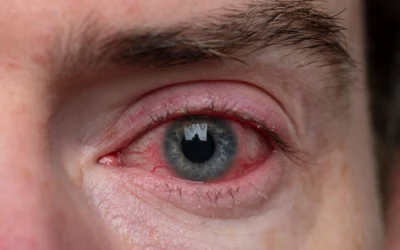
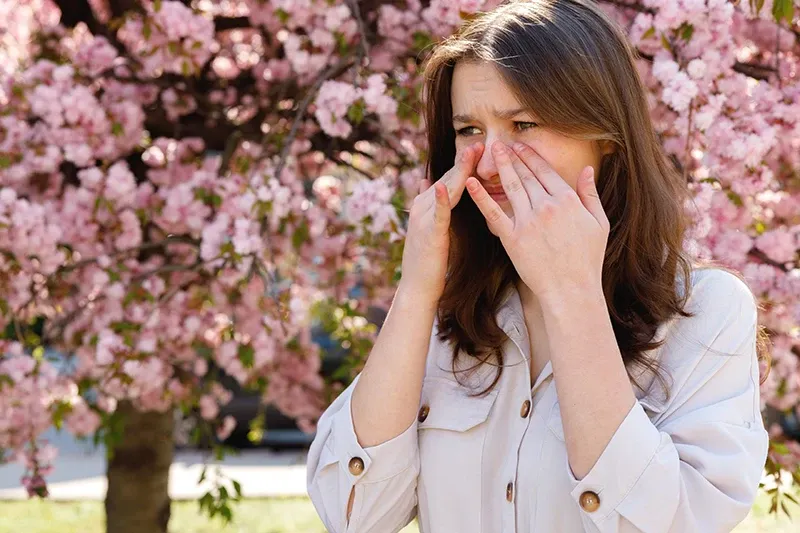
In May, the weather can feel like it can’t quite decide what it wants to do—cool mornings, warmer afternoons, and fluctuating humidity that seems to change by the hour. If your contact lenses have started feeling less comfortable lately, you might notice more dryness, irritation, redness, or that “I can’t wait to take these out” feeling by the end of the day.
In this blog, we explore how seasonal changes can affect contact lens comfort and what symptoms to watch for. We’ll also talk about how a comprehensive eye exam can help keep your vision feeling clear and comfortable as you transition into warmer months.
Why spring weather can affect your eyes
As seasons shift, so do the conditions your eyes have to adjust to. Environmental changes can impact tear stability and how your contact lenses feel throughout the day.
Common spring-related triggers include:
- Fluctuating humidity levels
- Increased pollen and allergens in the air
- More time spent outdoors in the wind and sun
- Indoor air conditioning starting up again
- Longer screen time on rainy or cooler days
These changes can contribute to dry eye symptoms, especially for contact lens wearers.
Why your contact lenses feel dry
If your eyes feel fine in the morning but progressively worse throughout the day, seasonal dry eye could be part of the reason.
You may notice:
- Lenses feeling dry or “sticky” by afternoon
- Redness after long wear time
- Blurry vision that improves after blinking
- Increased sensitivity to wind or light
- Needing rewetting drops more often than usual
If you suspect seasonal dry eye is contributing to your symptoms, we recommend scheduling an eye exam. At Newport Eye Care, our eye doctor can evaluate your eyes and determine whether dry eye is affecting your contact lens comfort.
When a contact lens exam can help
If your contact lenses no longer feel as comfortable as they used to, a contact lens exam can help you understand why. Seasonal changes can affect fit, moisture retention, and lens performance.
During your visit, your eye doctor may evaluate:
- Lens fit and material compatibility
- Tear film quality and stability
- Prescription changes that could improve comfort
- Whether environmental factors are affecting your eyes more this season
Everyday habits that support seasonal comfort
While professional care is important, everyday habits can help your eyes feel better during seasonal transitions.
Try:
- Wearing sunglasses outdoors to reduce wind exposure
- Taking screen breaks to encourage natural blinking
- Using rewetting drops recommended by your eye doctor
- Keeping indoor air from becoming too dry or overly cooled
- Cleaning lenses carefully to remove buildup from allergens
If symptoms continue and dry eye is the underlying issue, targeted dry eye treatment options can help improve long-term comfort instead of just temporary relief.
When glasses become the easier option
Some days, switching to glasses can give your eyes a break, especially during peak allergy season or when dryness feels more noticeable.
Glasses can help:
- Reduce exposure to wind and airborne irritants
- Minimize dryness from extended lens wear
- Provide comfort during long screen-heavy days
- Give your eyes time to recover between lens use
Having both contact lenses and glasses available gives you more flexibility as conditions change.
Clearer, more comfortable vision through every season
Seasonal changes don’t have to mean ongoing contact lens discomfort. With a comprehensive eye exam and guidance from an experienced eye doctor, you can better understand what’s causing dryness, irritation, or redness—and find solutions that fit your daily routine. Whether that includes updated lenses, a contact lens exam, or targeted dry eye treatment, comfort is possible year-round.
Schedule an appointment today at Newport Eye Care to keep your eyes feeling comfortable and your vision clear through every seasonal shift.