
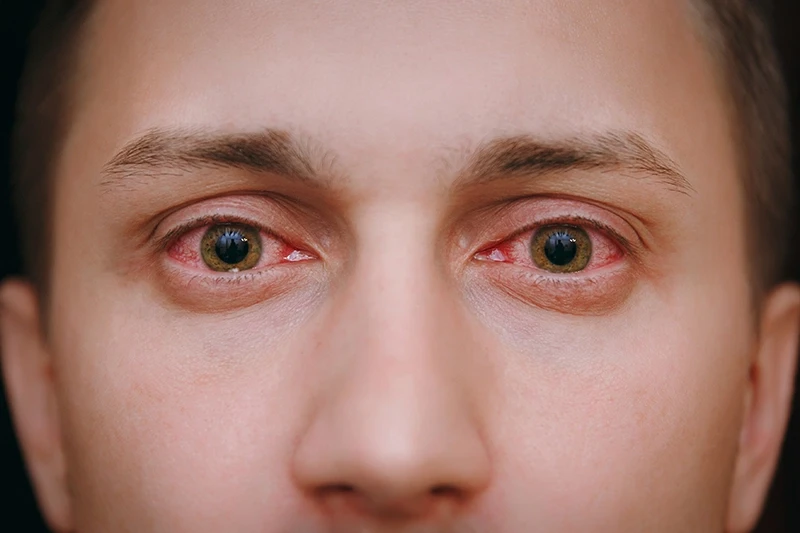
You notice your child rubbing their eyes nonstop or complaining that everything looks blurry. Or maybe your own eyes are itchy, red, and watery. These could be signs of pink eye, a common eye condition for both kids and adults.
At Newport Eye Care, our experienced optometrist in Newport can identify the type and recommend the right care so you or your child can recover comfortably. Learn more about pink eye, including its symptoms, causes, and how a comprehensive eye exam can help.
What is pink eye?
Pink eye, also known as conjunctivitis, is an inflammation of the thin layer covering the white of your eye and the inner eyelids. While some cases are mild, certain types are highly contagious and may require medical treatment to avoid complications. Children are especially prone to pink eye, making early detection through kids’ eye exams important.
How do you get pink eye?
The way pink eye develops depends on its type:
1. Viral conjunctivitis
Viral conjunctivitis is very contagious.¹ Caused by common viruses, this form can spread through coughs, sneezes, or touching surfaces contaminated with the virus.
2. Bacterial conjunctivitis
Bacterial conjunctivitis is highly contagious.¹ It spreads quickly through contact with eye discharge or objects handled by someone infected.
3. Allergic conjunctivitis
Triggered by allergens like pollen, dust, or pet dander, allergic pink eye is not contagious.¹
Symptoms of pink eye
It’s important to look out for these common pink eye symptoms¹:
- Redness in one or both eyes
- Itching or burning
- A gritty or scratchy sensation
- Excessive tearing
- Watery or thick, colored discharge
- Crusty eyelids, especially in the morning
- Sensitivity to light
Recognizing symptoms early makes it easier to manage and keeps the infection from spreading.
How long does pink eye last?
The duration varies based on the type:
- Viral: Usually clears on its own within 1–2 weeks.
- Bacterial: Often improves within 2–5 days when treated with proper care.
- Allergic: Symptoms last as long as exposure to the allergen continues, but eye drops and avoiding triggers can bring relief quickly.
Pink eye treatment
During an eye exam, our eye doctor can determine the type of pink eye and recommend the most effective treatment:
- Viral: Typically resolves on its own. Artificial tears and cold compresses ease irritation.
- Bacterial: Prescription antibiotic drops or ointments help clear the infection faster and reduce the risk of spreading.
- Allergic: Antihistamine or anti-inflammatory drops relieve redness and itching, and avoiding allergens minimizes flare-ups.
Contact lens users should switch to glasses while infected and use a fresh pair of contact lenses and a new case once fully healed.
Preventing pink eye
You can reduce your risk and prevent spreading by:
- Washing your hands thoroughly and often
- Avoiding rubbing your eyes
- Using clean towels, pillowcases, and washcloths
- Keeping glasses and contact lenses clean
- Staying home if you or your child is contagious
Keep your eyes comfortable and healthy
Pink eye may cause discomfort and interrupt your daily routine, but timely care can help you feel better faster and avoid complications. A comprehensive eye exam confirms the cause and guides your treatment.
Schedule an appointment with Newport Eye Care today to ease irritation, safeguard your vision, and keep your eyes healthy.
References: