
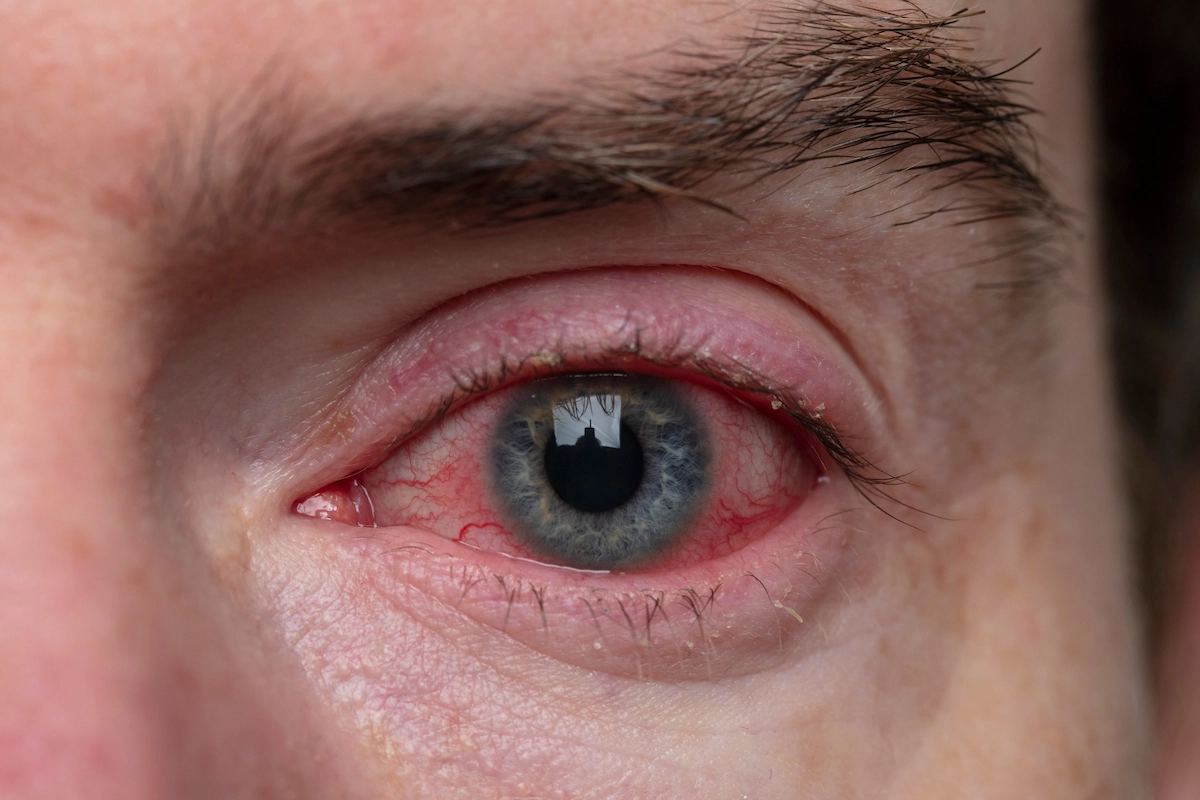
Blepharitis is a common condition that causes inflammation along the eyelids, often near the base of the eyelashes. It can be uncomfortable and frustrating, especially when symptoms keep returning. While blepharitis is not usually contagious, it can affect the health of your eyelids, tear film, and eyes if left unmanaged.
If your eyes often feel irritated, gritty, or crusty, a comprehensive eye exam can help identify the cause and guide the right care plan.
What causes blepharitis?
Blepharitis occurs when the eyelids become irritated or inflamed. It is often associated with an overgrowth of normal skin bacteria, oil gland dysfunction, dandruff-like debris around the eyelashes, or skin conditions such as rosacea and seborrheic dermatitis.
There are two common forms of blepharitis:
- Anterior blepharitis affects the outside edge of the eyelid, where the eyelashes grow.
- Posterior blepharitis affects the inner edge of the eyelid, often involving the meibomian glands. These small oil glands help create the oily layer of your tears and prevent tears from evaporating too quickly.
Because healthy eyelids are important for a stable tear film, blepharitis and dry eye symptoms often occur together.
What are the symptoms of blepharitis?
Symptoms can vary from mild irritation to persistent discomfort. You may notice:
- Red, swollen, or itchy eyelids
- Burning, stinging, or gritty eyes
- Flaking or crusting around the eyelashes
- Watery eyes
- Dry eye symptoms
- Sensitivity to light
- A feeling that something is stuck in your eye
- Blurry vision that may improve after blinking
- Eyelashes that stick together when you wake up
Blepharitis symptoms can come and go. Some people have flare-ups that become more noticeable during allergy season, dry weather, or periods of increased screen use.
How can blepharitis affect your eyes?
In addition to making your eyelids uncomfortable, blepharitis can interfere with the tear film that keeps the front surface of your eyes lubricated. When the eyelid oil glands are not functioning well, tears may evaporate too quickly. This can contribute to dryness, redness, fluctuating vision, and irritation.
Blepharitis may also increase the risk of related eyelid concerns, such as styes or chalazia. In some cases, ongoing inflammation can affect contact lens comfort or make it harder to wear eye makeup without irritation.
How is blepharitis treated?
Blepharitis is often a chronic condition, but regular eyelid care can help control symptoms and reduce flare-ups. During an eye exam, Dr. Kiran B. Jones can evaluate your eyelids, tear film, and eye health to determine whether blepharitis or another condition is contributing to your symptoms.
Treatment recommendations may include:
- Warm compresses to soften debris and support oil gland function
- Gentle eyelid cleansing to remove buildup along the lash line
- Artificial tears to relieve dry eye symptoms
- Changes to contact lens wear or eye makeup habits
- Prescription medication or other treatment when appropriate
It is important to avoid trying to treat persistent eye irritation on your own, especially if you have pain, vision changes, significant swelling, or discharge.
When should you schedule an eye exam?
Schedule an eye exam if eyelid irritation does not improve, keeps returning, or is affecting your vision and daily comfort. A professional evaluation can rule out other causes of red, uncomfortable eyes and help you develop a care routine that works for you.
If you are experiencing symptoms of blepharitis, Newport Eye Care can help you take the next step toward more comfortable, healthier eyes.