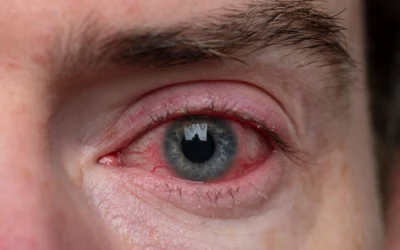

Have your eyes been feeling itchy and dry lately? Maybe you feel like there’s something stuck in your eye, or you have been extra sensitive to light recently. These are all signs of dry eye syndrome. When your eyes are healthy, a film of tears spreads over your eyes every time you blink. This keeps the surface of your eyes healthy and lubricated. But sometimes, the eyes don’t produce enough tears or the right kind of tears, leading to dry eye syndrome.
Dry eye is common, but it can lead to long-term complications if left untreated. By understanding the common causes and symptoms of dry eyes, you can take steps to prevent and treat this condition effectively. Here’s what you need to know about dry eyes and how to find relief with effective dry eye treatment in Newport.
Dry eye symptoms
The most common symptom of dry eye is in the name: dryness. You might also experience these other symptoms:
- Blurry vision
- Red, itchy, watery eyes
- A stinging or burning sensation
- Sensitivity to light
- Tired eyes
- Trouble wearing contact lenses
- Stringy mucus around the eyes
What causes dry eyes
Dry eye can be temporary or chronic, depending on the cause. It’s important to understand why you’re experiencing dry eye so you can find the best treatment. Common causes of dry eye include:
- Aging: As we get older, our bodies produce fewer tears, leading to dry eye symptoms. Additionally, hormonal changes that come with aging, such as during menopause, can also contribute to dry eye symptoms.
- Environmental factors: Exposure to smoke, wind, or dry air can also lead to dryness.
- Medical conditions: Underlying health conditions such as diabetes, thyroid disorders, rheumatoid arthritis, and Sjögren’s syndrome can all increase the risk of developing dry eye. These conditions can affect tear production or quality and may require specialized treatment to manage both the underlying condition and dry eye symptoms.
- Medications: Certain medications, like antihistamines, decongestants, and antidepressants, can cause dry eyes as a side effect. If you suspect that your medication may be contributing to your dry eye symptoms, ask your doctor about potential alternatives.
- Screen time: Spending long hours in front of digital screens can cause you to blink less, leading to dry eye symptoms. To prevent dryness and eye strain, follow the 20-20-20 rule: every 20 minutes, look at something 20 feet away for at least 20 seconds.
Treatment for dry eye
For most people with occasional or mild dry eye, using artificial tears or making lifestyle changes can help manage the symptoms. Taking regular breaks from screen time, reminding yourself to blink frequently, drinking plenty of water, and wearing protective eyewear in windy conditions are all ways to prevent dry eyes. You can also try using a humidifier in your home to add moisture to dry air.
If at-home remedies aren’t working, our dry eye specialist in Newport offers more advanced treatments. Our eye doctor may recommend prescription medications, tear duct plugs to conserve tears, or TearCare® heat therapy to soften and release any blockages in your tear glands.
In conclusion
Dealing with dry eye can be frustrating, but understanding the common causes and treatment options available can help you find relief. If your symptoms are severe or don’t go away, it’s important to see a specialist. Whether you’re looking for guidance on lifestyle changes or are interested in exploring innovative treatments like TearCare, our experts at Newport Eye Care can provide personalized solutions tailored to your unique needs. Contact us today to book an exam!