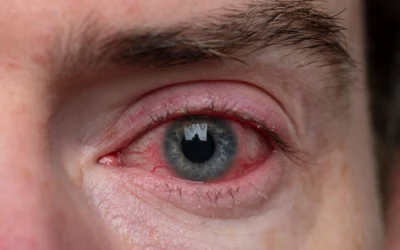

Falling asleep in contact lenses is one of the most common mistakes contact lens wearers make—and one of the riskiest. Even when it happens accidentally, overnight wear deprives the cornea of oxygen and creates conditions where bacteria can thrive.
This blog covers what happens when you sleep in your lenses, the risks involved, and what to do if something doesn’t feel right afterward.
Is it safe to sleep in contact lenses?
No, it is not safe to sleep in contact lenses. Eye doctors recommend removing contact lenses before sleeping, even for short naps.
Your cornea depends on oxygen from the air and tears to stay healthy. When you close your eyes, oxygen naturally decreases. Contact lenses add another layer that further limits oxygen flow. That combination can stress the surface of the eye and increase vulnerability to infection.
Sleeping in contact lenses raises the risk of:
- Eye infections
- Corneal swelling
- Corneal ulcers
- Redness and irritation
- Surface scratches on the cornea
One night of accidentally sleeping in contacts may not lead to noticeable problems, but repeated overnight wear significantly increases the risk.
Why your cornea needs oxygen
The cornea doesn’t contain blood vessels, so it relies entirely on oxygen from its environment. Contact lenses reduce how much oxygen reaches the eye, especially during sleep when blinking stops and tear circulation slows.
Lower oxygen levels can contribute to:
- Delayed healing of the corneal surface
- Dryness and discomfort after waking
- Increased inflammation
- Greater susceptibility to bacterial growth
Even advanced contact lens materials cannot fully replace the oxygen supply lost during sleep.
Are any contact lenses meant for overnight wear?
Some contact lenses have FDA approval for extended wear, which means patients can wear them overnight under specific conditions. However, extended wear does not work well for everyone.
Your optometrist will evaluate several factors before recommending overnight contact lenses:
- Overall eye health
- Tear quality and dryness
- Lens type and oxygen permeability
- Daily wear habits and hygiene practices
- History of eye irritation or infection
Even when extended wear is approved, many patients experience fewer issues when they remove lenses before sleep.
What to do if you fall asleep in contact lenses
Waking up with contact lenses still in your eyes can feel uncomfortable, especially if they feel dry or tight. The safest approach focuses on restoring moisture before removal.
Helpful steps include:
- Blink several times to rehydrate the eye
- Use lubricating drops if recommended by your eye doctor
- Wait for the lens to loosen naturally
- Remove lenses gently without forcing them
- Rest your eyes before reinserting lenses
If discomfort, redness, or blurred vision continues after removal, it’s best to schedule an eye exam for evaluation.
Can you wear contacts during short naps?
No, you should always remove contact lenses before sleeping, even if you only plan to rest briefly.
Many people assume only overnight sleep creates concern, but oxygen levels still drop whenever the eyes remain closed for extended periods. A short nap carries less risk than sleeping overnight, but it can still affect comfort and eye health.
After a nap in contact lenses, you may notice:
- Temporary dryness
- Mild irritation or redness
- Blurred vision
- Slight lens discomfort
How to wear contact lenses safely
Consistent lens care helps reduce complications and keeps eyes comfortable during daily wear.
Best practices include:
- Removing lenses before sleeping or napping
- Following replacement schedules exactly
- Washing and drying hands before handling lenses
- Using fresh disinfecting solution each time
- Avoiding reuse or topping off solution
- Replacing lens cases regularly
- Attending routine contact lens exams
Protecting your vision with contact lenses
Contact lenses are a convenient way to see clearly, but they require responsible wear. Taking them out before sleep is key to protecting comfort and reducing eye health risks.
At Newport Eye Care, patients receive comprehensive contact lens exams and custom fittings tailored to their needs. We work with both new and experienced wearers to support clear, healthy vision. Schedule an appointment today to update your contact lens prescription or explore new options.